Understanding Mold Growth on Carpet Backing: Causes, Risks, and Remediation
What You Need to Know About Mold Growth on Carpet Backing
If you have ever peeled up a corner of carpet in a basement or a room that suffered a leak, you know the smell. It is musty, damp, and unmistakable. What you might not see right away is the mold growth on carpet backing. This is a problem that often stays hidden until the damage is done. The carpet looks fine on top, but underneath, mold and mildew are already spreading across the backing and into the subfloor.
Mold needs moisture to survive. Carpet backing, especially the older sponge rubber or jute types, holds onto moisture like a sponge. Spills, high humidity, or plumbing leaks can create the perfect environment for mold spores to settle and grow. Once that happens, you are not just dealing with a stain. You are dealing with a contaminant that can affect your air quality and your health.
Over the years, I have seen this scenario play out in homes and commercial buildings. A small leak goes unnoticed. The carpet stays damp for a few days. Within a week, the backing starts to show dark patches. Within a month, the mold has spread into the padding and the subfloor. That is why catching mold growth on carpet backing early matters so much. The longer it sits, the harder and more expensive it becomes to fix.
Why Carpet Backing Is Vulnerable
Carpet backing is not sealed like tile or hardwood. It is porous and absorbent. The materials used in many carpets, especially synthetic latex or bitumen, can break down when they stay wet. This breakdown releases nutrients that mold and mildew feed on. Black mold, the variety that gets the most attention, can appear here, but many other types of mold also thrive in carpet backing.
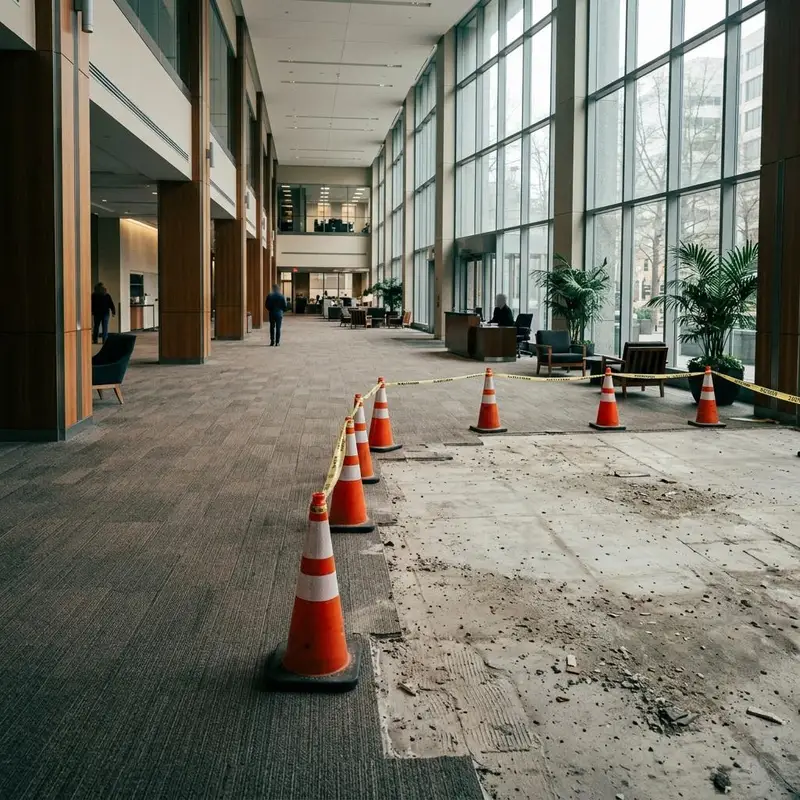
Moisture can come from many sources. A slow pipe leak inside a wall, a washing machine overflow, or even just a room that stays humid for weeks. I once worked on a job where a refrigerator ice maker line had a tiny crack. It dripped behind the fridge for months before anyone noticed. By then, the carpet backing was covered in mold, and the subfloor had started to rot. The fix involved pulling the carpet, treating the subfloor, and replacing the padding. It was a bigger job than it needed to be.
Health Risks and Air Quality Concerns
Mold in carpet backing does not stay put. As the carpet is walked on, mold spores get kicked into the air. This can worsen asthma, trigger allergic reactions, and cause respiratory issues. People with compromised immune systems are especially at risk. The presence of mold also attracts dust mites and other allergens, compounding the problem.
I have tested indoor air quality in homes where the carpet looked clean but smelled off. The readings often show elevated spore counts. In some cases, the only way to fix the air quality is to remove the source of the mold. That means addressing the moisture problem and the mold growth on carpet backing at the same time.
How to Inspect for Mold on Carpet Backing
You can check for hidden mold without pulling up the entire carpet. Start with your nose. A persistent musty smell is a strong clue. Next, feel the carpet. If it feels damp or cool to the touch, that is another sign. An infrared thermometer can help you spot cold spots on the floor, which often indicate moisture underneath.
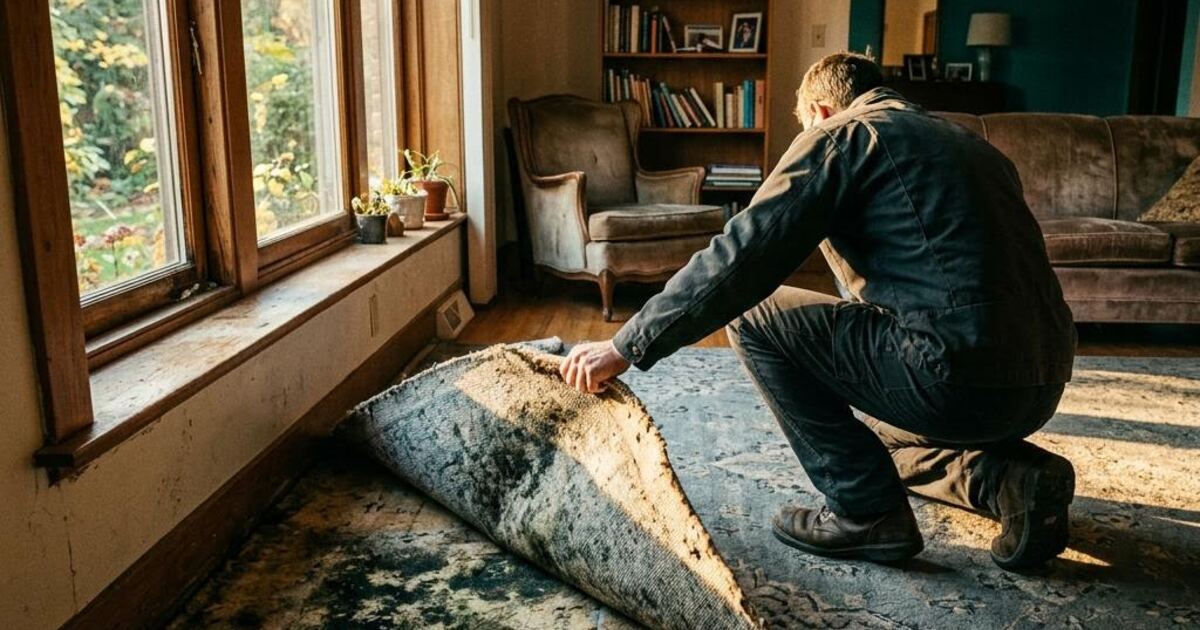
If you suspect mold, lift a corner of the carpet near a baseboard or in a closet. Look at the backing. If you see dark stains, fuzzy growth, or a slimy texture, you have mold. You can also press a piece of clear tape against the backing and look at it under a bright light. If you see spores, you have a problem.
Cleaning Mold: What Works and What Doesn't
Once you find mold, the impulse is to scrub it with bleach. I have seen many people try that, and it rarely works well. Bleach is effective on hard, non-porous surfaces, but on carpet backing, it can break down the fibers and leave the mold roots intact. The mold often grows back within weeks. A better approach is to use white vinegar or a dedicated mold cleaner like Concrobium or RMR-141. These products penetrate the backing and kill the mold at the root.
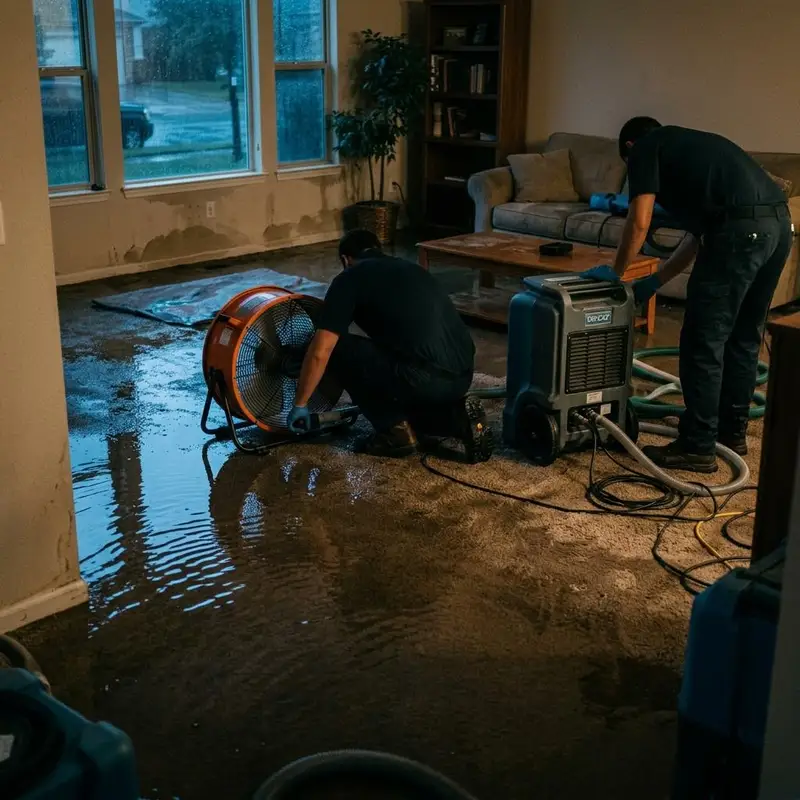
Before you start cleaning, put on protective gear. That means gloves, goggles, and an N95 respirator or better. You do not want to breathe in the spores you are about to disturb. Use a HEPA vacuum to pull up loose spores before you apply any cleaner. After cleaning, dry the area thoroughly with a dehumidifier and fans. Mold needs moisture to survive. If you keep the area dry, it cannot come back.
When to Call a Professional
Small patches of mold on carpet backing can sometimes be handled by a homeowner. But if the mold covers more than a few square feet, or if it has spread into the subfloor, it is time to call a mold remediation service. Mold remediation is not the same as cleaning. It involves containment, HEPA vacuuming, antimicrobial treatment, and often removing and replacing the affected materials. Professionals also test the pH and moisture levels to make sure the area is fully dry before new carpet goes down.
I have seen cases where a homeowner tried to clean a large area of mold on their own, only to make things worse by spreading spores to other rooms. A professional crew will set up containment barriers, use negative air pressure, and ensure the mold is removed safely. Products like Spray and Forget can help maintain clean surfaces after remediation, but they are not a substitute for thorough removal.
Preventing Mold Before It Starts
The best way to avoid mold on carpet backing is to keep moisture away from it. Here are a few practical steps:
- Use a dehumidifier in basements and other damp areas. Keep indoor humidity below 50 percent.
- Fix leaks immediately. A small drip can cause big problems if it goes unnoticed.
- Clean spills on carpet right away. Blot with a microfiber cloth, then dry the area with a fan.
- Avoid installing carpet in rooms prone to moisture, like bathrooms and laundry rooms.
- Consider using a moisture barrier under the carpet if you have a concrete subfloor.
These steps are simple, but they make a real difference. I have seen homes that followed these guidelines stay mold-free for years, even in humid climates.
Final Thoughts on Mold and Carpet Backing
Mold growth on carpet backing is one of those problems that hides until it becomes serious. It starts small, often unnoticed, and grows into something that affects your health and your home. The key is to stay alert. Check your carpets regularly, especially in rooms that have seen water damage or high humidity. If you find mold, act quickly. Clean small areas yourself with the right products and protective gear. For larger problems, bring in a professional who knows how to handle mold remediation safely.
Your air quality and your peace of mind are worth the effort. A little attention now can save you from a much bigger headache later.